Suryakumar Yadav Is Mumbai’s SMAT Captain. Could It Be His Audition for an India Comeback?
Mumbai open against Hyderabad in Kolkata on 14 November, giving the former India T20I captain a fresh chance to make his case with the bat.
Tue Nov 10 2026
By Praveen
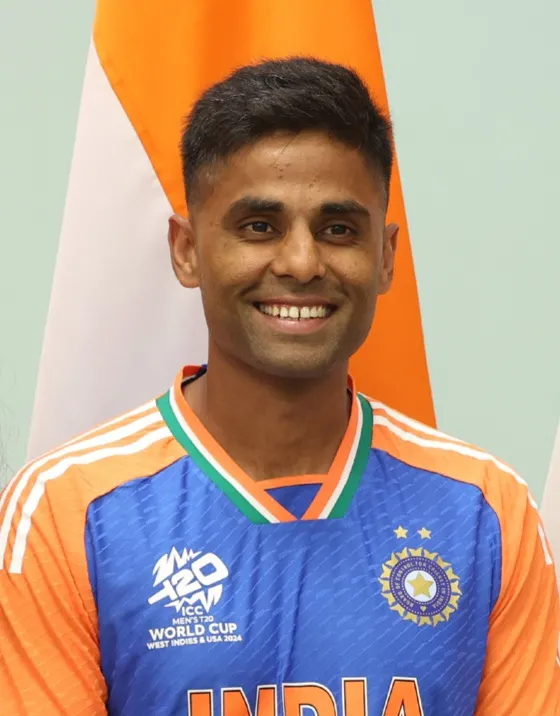 In March, Suryakumar Yadav captained India to a T20 World Cup title. By the time the squad for the September series against Afghanistan was announced, Shreyas Iyer was captain and Suryakumar was out of the squad. On 14 November, Suryakumar will lead again, this time for Mumbai against Hyderabad in the Syed Mushtaq Ali Trophy. Reuters · BCCI · The Indian Express
That sequence gives Mumbai’s opening game in Kolkata an extra point of interest. For the state side, this is the start of a domestic title campaign. For Suryakumar, it is a chance to show what he can still offer India as a T20 batter. The captaincy gives him a say in where he bats and what Mumbai ask of him. His innings will show how well he can answer those demands.
What Mumbai have asked Suryakumar to do
The Mumbai Cricket Association named Suryakumar captain of its 16-member squad on 9 November. Mumbai are in Elite Group D with Hyderabad, Gujarat, Goa, Vidarbha, Chhattisgarh, Odisha and Uttarakhand. The Hyderabad opener is the first of seven group games. The squad includes Sarfaraz Khan, Angkrish Raghuvanshi and Tushar Deshpande, alongside the returning Shardul Thakur. The Indian Express · Zee News
Mumbai had left Suryakumar out of the opening four rounds of their Ranji Trophy campaign. Their decision to put him in charge of the T20 side reflects a different set of demands. Four-day cricket can reward a batter for spending an hour taking risk out of an innings. In a T20, a captain can need someone to walk in and take on a bowler before they have faced enough deliveries to judge the pace of the pitch. That second job has long been central to Suryakumar’s game. India Today
Why losing the India captaincy changed the question
Suryakumar’s last India T20I appearance came in the World Cup final against New Zealand in March. Shreyas was subsequently named captain for the Afghanistan series and retained the role for the T20I tour of New Zealand. Suryakumar was absent from both squads. India had made two distinct decisions about him, one about who would lead the team and another about who would fill its batting roles. Reuters · BCCI’s New Zealand tour announcement
That distinction matters when talking about a comeback. A recall could mean playing under Shreyas and competing for a specific position in the middle order. Tilak Varma was named vice-captain for the New Zealand T20Is, and the squad also included Shivam Dube and Naman Dhir. Each offers India a different combination of batting role, matchup options and, in some cases, overs. Suryakumar’s case is strongest if his domestic performances make it easy to picture which overs he would bat in and what he would add there. BCCI
What to watch against Hyderabad on 14 November
Start with his entry point. If Mumbai lose two wickets in the powerplay, does Suryakumar come in early and find boundaries without giving the bowling side another quick chance? If the openers give Mumbai a strong start, does he take responsibility for keeping the scoring rate up when the field spreads? The same score can tell two different stories depending on when he arrives and what the game needs.
The overs immediately after the powerplay are worth following. With more fielders on the boundary, a spinner can get through an over cheaply if a new batter needs time to settle. Watch how quickly Suryakumar finds a single, which deliveries he chooses to attack, and whether his movement around the crease makes Hyderabad change their field. A well-placed two after three tight balls can say as much about how he is reading the pitch as a scoop over fine leg.
His decisions in the field will also give the opener some texture. Does he use an experienced seamer early to break a partnership, knowing he will have one fewer over from him at the death? Does he keep a spinner on after a boundary because the batter is still hitting into the longer side of the ground? Those are the choices that show how a captain reads a game while it is moving.
What a convincing audition would look like
The group stage gives Suryakumar something one headline innings cannot provide. He can face different attacks, bat at different points in a chase and show whether his scoring methods hold up when an opponent has planned for them. A quick 35 that reverses a slowing chase can reveal something a bigger innings on a flat pitch leaves unanswered. A second contribution when Mumbai are under pressure makes the first easier to trust.
Batting position will shape how those performances are read. A captain can promote himself when the matchup suits him or hold himself back when another player is better placed to attack. For Mumbai, either choice can be right on the day. For India, the clearer evidence may come when Suryakumar takes on a role similar to the one available internationally, where the match situation often dictates when he walks in.
There is also a balance to strike with the players around him. If Mumbai need to hit spin through the middle, their best answer might come from the player already set at the crease. If they need to close out a chase, the best decision might be to give a teammate the strike. The value of leading Mumbai is that Suryakumar gets to demonstrate both sides of that judgment while taking responsibility for the result.
How much can SMAT change?
A productive tournament could put Suryakumar back into the selection conversation. The selectors would still have to weigh the opposition, conditions and how his batting fits the next India squad. Mumbai could win games in which he barely bats, and he could play an excellent innings in a defeat. The team’s results and the evidence for a recall can move in different directions.
One useful comparison is how he handles the same kind of over on different days. A spinner who offers width gives him room to score square. A quicker bowler who follows him across the crease asks him to find a different release shot or settle for a single. If Mumbai keep moving through both kinds of overs, the scorecards begin to show something repeatable. That is more relevant to a recall than the highlight that travels furthest on social media.
The Hyderabad game starts that process. When Suryakumar walks out to bat in Kolkata, the most revealing detail might be the scoreboard he inherits. With seven overs gone and a chase slipping, or with a strong platform and five overs left, he will have a specific job to do. A series of innings that answer those situations would give India a concrete reason to discuss where he fits again.
In March, Suryakumar Yadav captained India to a T20 World Cup title. By the time the squad for the September series against Afghanistan was announced, Shreyas Iyer was captain and Suryakumar was out of the squad. On 14 November, Suryakumar will lead again, this time for Mumbai against Hyderabad in the Syed Mushtaq Ali Trophy. Reuters · BCCI · The Indian Express
That sequence gives Mumbai’s opening game in Kolkata an extra point of interest. For the state side, this is the start of a domestic title campaign. For Suryakumar, it is a chance to show what he can still offer India as a T20 batter. The captaincy gives him a say in where he bats and what Mumbai ask of him. His innings will show how well he can answer those demands.
What Mumbai have asked Suryakumar to do
The Mumbai Cricket Association named Suryakumar captain of its 16-member squad on 9 November. Mumbai are in Elite Group D with Hyderabad, Gujarat, Goa, Vidarbha, Chhattisgarh, Odisha and Uttarakhand. The Hyderabad opener is the first of seven group games. The squad includes Sarfaraz Khan, Angkrish Raghuvanshi and Tushar Deshpande, alongside the returning Shardul Thakur. The Indian Express · Zee News
Mumbai had left Suryakumar out of the opening four rounds of their Ranji Trophy campaign. Their decision to put him in charge of the T20 side reflects a different set of demands. Four-day cricket can reward a batter for spending an hour taking risk out of an innings. In a T20, a captain can need someone to walk in and take on a bowler before they have faced enough deliveries to judge the pace of the pitch. That second job has long been central to Suryakumar’s game. India Today
Why losing the India captaincy changed the question
Suryakumar’s last India T20I appearance came in the World Cup final against New Zealand in March. Shreyas was subsequently named captain for the Afghanistan series and retained the role for the T20I tour of New Zealand. Suryakumar was absent from both squads. India had made two distinct decisions about him, one about who would lead the team and another about who would fill its batting roles. Reuters · BCCI’s New Zealand tour announcement
That distinction matters when talking about a comeback. A recall could mean playing under Shreyas and competing for a specific position in the middle order. Tilak Varma was named vice-captain for the New Zealand T20Is, and the squad also included Shivam Dube and Naman Dhir. Each offers India a different combination of batting role, matchup options and, in some cases, overs. Suryakumar’s case is strongest if his domestic performances make it easy to picture which overs he would bat in and what he would add there. BCCI
What to watch against Hyderabad on 14 November
Start with his entry point. If Mumbai lose two wickets in the powerplay, does Suryakumar come in early and find boundaries without giving the bowling side another quick chance? If the openers give Mumbai a strong start, does he take responsibility for keeping the scoring rate up when the field spreads? The same score can tell two different stories depending on when he arrives and what the game needs.
The overs immediately after the powerplay are worth following. With more fielders on the boundary, a spinner can get through an over cheaply if a new batter needs time to settle. Watch how quickly Suryakumar finds a single, which deliveries he chooses to attack, and whether his movement around the crease makes Hyderabad change their field. A well-placed two after three tight balls can say as much about how he is reading the pitch as a scoop over fine leg.
His decisions in the field will also give the opener some texture. Does he use an experienced seamer early to break a partnership, knowing he will have one fewer over from him at the death? Does he keep a spinner on after a boundary because the batter is still hitting into the longer side of the ground? Those are the choices that show how a captain reads a game while it is moving.
What a convincing audition would look like
The group stage gives Suryakumar something one headline innings cannot provide. He can face different attacks, bat at different points in a chase and show whether his scoring methods hold up when an opponent has planned for them. A quick 35 that reverses a slowing chase can reveal something a bigger innings on a flat pitch leaves unanswered. A second contribution when Mumbai are under pressure makes the first easier to trust.
Batting position will shape how those performances are read. A captain can promote himself when the matchup suits him or hold himself back when another player is better placed to attack. For Mumbai, either choice can be right on the day. For India, the clearer evidence may come when Suryakumar takes on a role similar to the one available internationally, where the match situation often dictates when he walks in.
There is also a balance to strike with the players around him. If Mumbai need to hit spin through the middle, their best answer might come from the player already set at the crease. If they need to close out a chase, the best decision might be to give a teammate the strike. The value of leading Mumbai is that Suryakumar gets to demonstrate both sides of that judgment while taking responsibility for the result.
How much can SMAT change?
A productive tournament could put Suryakumar back into the selection conversation. The selectors would still have to weigh the opposition, conditions and how his batting fits the next India squad. Mumbai could win games in which he barely bats, and he could play an excellent innings in a defeat. The team’s results and the evidence for a recall can move in different directions.
One useful comparison is how he handles the same kind of over on different days. A spinner who offers width gives him room to score square. A quicker bowler who follows him across the crease asks him to find a different release shot or settle for a single. If Mumbai keep moving through both kinds of overs, the scorecards begin to show something repeatable. That is more relevant to a recall than the highlight that travels furthest on social media.
The Hyderabad game starts that process. When Suryakumar walks out to bat in Kolkata, the most revealing detail might be the scoreboard he inherits. With seven overs gone and a chase slipping, or with a strong platform and five overs left, he will have a specific job to do. A series of innings that answer those situations would give India a concrete reason to discuss where he fits again.