IPL 2027 Retentions Are In: LSG Head to the Auction With ₹47.45 Crore, GT With Just ₹8.75 Crore. Who's Best Placed?
The biggest wallet creates options, but squad gaps and replacement costs will decide who uses the mini-auction best.
Sat Nov 21 2026
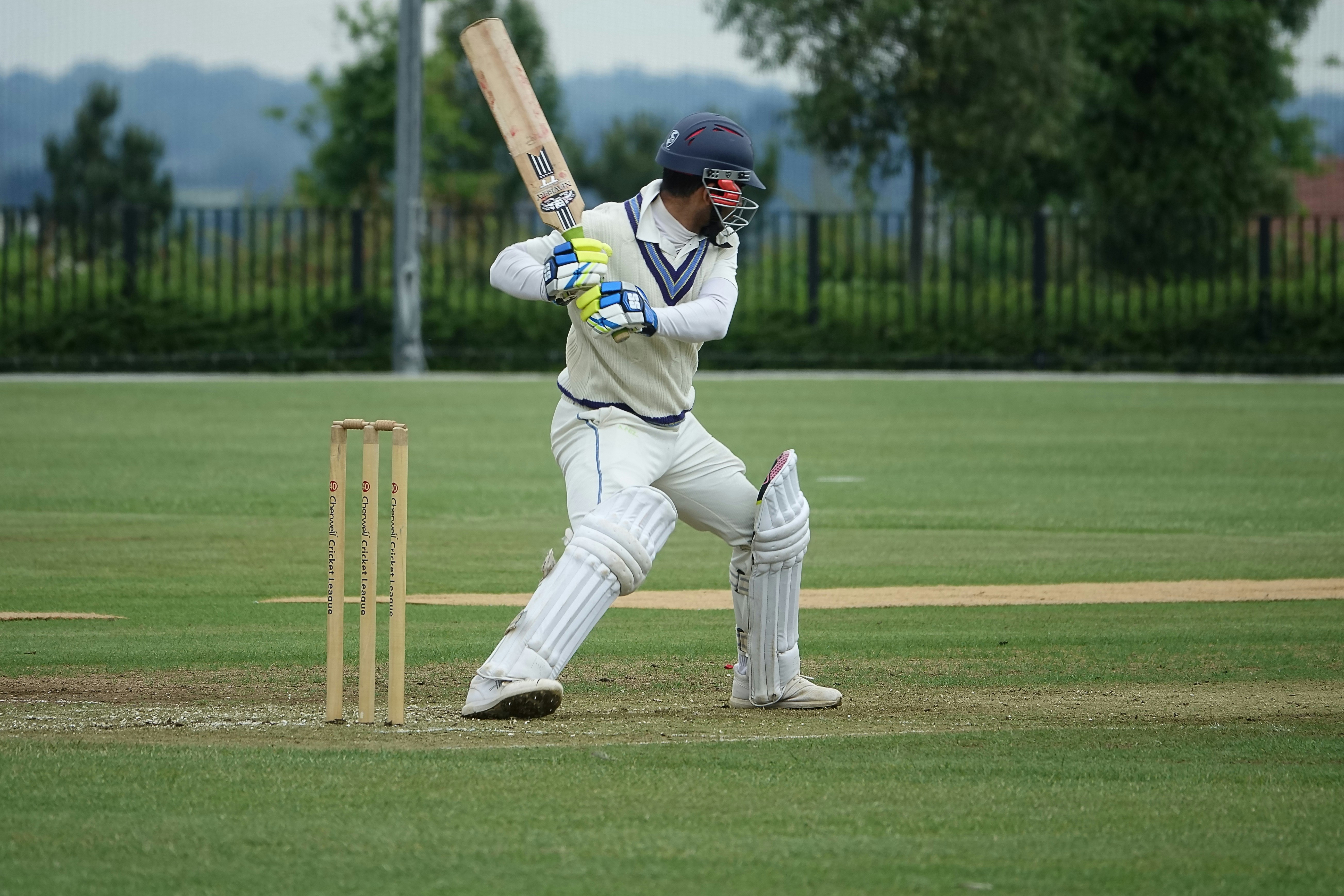
Lucknow Super Giants have the biggest wallet. Gujarat Titans have the smallest. That is the simplest reading of the IPL 2027 retention announcements, but it does not settle which franchise is best placed. A team shopping for three carefully defined roles faces a different challenge from one trying to rebuild several parts of its eleven at once.
The official retention announcement puts LSG's remaining purse at ₹47.45 crore and GT's at ₹8.75 crore. The auction is scheduled for 16 December 2026 at ITC Grand Goa, starting at 11:00 AM IST. These are the published post-retention figures, checked on 21 November; subsequent approved changes could alter the picture. IPL retention announcement
The useful question is what each rupee must achieve. Here is our assessment of buying power, squad completeness and auction flexibility, rather than a prediction of next season's standings.
The purse table, with the missing context
The table below pairs money with retained squad size. Vacancies are calculated against the 25-player maximum, so they describe available room rather than an instruction to buy that many players. Overseas vacancies use the eight-player squad ceiling. Official IPL auction team dashboard
| Team | Purse, ₹ crore | Retained players | Available places | Overseas places available |
|---|---|---|---|---|
| LSG | 47.45 | 18 | 7 | 3 |
| KKR | 41.65 | 17 | 8 | 3 |
| SRH | 40.15 | 18 | 7 | 3 |
| DC | 39.50 | 16 | 9 | 4 |
| MI | 32.60 | 16 | 9 | 2 |
| CSK | 28.05 | 19 | 6 | 2 |
| RR | 27.05 | 19 | 6 | 3 |
| PBKS | 18.60 | 19 | 6 | 2 |
| RCB | 14.15 | 20 | 5 | 1 |
| GT | 8.75 | 22 | 3 | 2 |
A vacant place has no fixed price. A reserve wicketkeeper and an Indian fast bowler trusted in the final over can occupy identical boxes on a squad sheet while commanding very different bids. The table is a starting point for asking questions, not a complete ranking of team quality.
Why LSG have the strongest negotiating position
LSG can approach more than one expensive contest without immediately sacrificing the rest of their plan. Their advantage is the freedom to change direction. If the first preferred player becomes overpriced, they can leave the bidding and still have enough money to compete for a different combination later.
Seven available places also mean the franchise does not need to construct an entire squad in the room. In principle, it can separate spending into a small group of potential starters and cheaper cover. That distinction matters because the final few additions should support the main eleven, rather than absorb money simply because slots remain open.
Our view is that LSG are best placed financially. That judgment would weaken if several indispensable roles depend on the same small group of auction players. A big budget cannot create an available player with a particular skill, passport, fitness record or season-long commitment.
GT's small purse also tells a story of continuity
Gujarat have retained 22 players, the largest group in the league's announcement. Their remaining three places make this a much narrower recruitment exercise. Spending less at the auction is not automatically evidence of falling behind; much of their investment is already represented by players under contract. IPL retained squads
The practical advantage is clarity. A nearly complete squad can test each candidate against a specific question: does this player improve the likely eleven, cover a vulnerable role or offer something the existing group lacks? Players who duplicate an established strength can be passed over without regret.
GT are consequently best understood as a targeted buyer. Their success should be measured against the three additions they actually need, not against how many headline auctions they win.
KKR, SRH and DC can keep the market expensive
Lucknow will not bid in isolation. Kolkata, Hyderabad and Delhi also enter with substantial purchasing power. When several wealthy teams identify the same scarce role, the leading purse provides an edge but does not guarantee a bargain.
Consider a hypothetical Indian bowler who can deliver both a powerplay over and two overs at the death. If three franchises need that combination, their alternatives matter more than their opening budgets. The team with a credible second choice can leave. The team with no fallback may keep bidding beyond its original valuation.
Delhi's nine vacancies also illustrate why absolute money can mislead. A larger shopping list can require more protection for later rounds. Two franchises with similar purses may have very different maximum bids once each has reserved money for the remaining essential jobs.
For viewers, the interesting comparison is therefore not simply LSG against GT. Watch how the four largest purses interact, particularly when an auction set contains only a few players capable of solving a common problem.
MI and the middle of the table need selective ambition
The middle budgets can still support an important signing. Their challenge is deciding where to concentrate spending. An auction becomes dangerous when a franchise tries to buy a premium answer for every weakness and discovers halfway through that it can afford only incomplete solutions.
Mumbai's relatively limited overseas room makes nationality part of the decision. A strong overseas option may look attractive individually while making the rest of the squad less flexible. Domestic players can carry extra strategic value when they allow a team to use overseas places elsewhere.
Chennai and Rajasthan have fewer vacancies than Mumbai or Delhi. That may make a focused purchase easier to justify, but only if the retained group already covers the essentials. Squad size alone does not tell us whether there is a reliable reserve keeper, enough bowling across phases or batting cover for an injury.
These teams should be judged on the quality of their trade-offs. A modest signing that frees a better combination can create more value than a famous player who leaves the same structural weakness untouched.
A simple way to judge any auction purchase
Start by writing down the player's expected job in one sentence. “Adds experience” is too vague. “Bats at six and supplies two usable seam overs” describes a role that can be tested against the existing squad.
Next, identify the replacement. If the new player is unavailable, who performs the same job? This reveals whether the purchase improves resilience or merely adds another name competing for a well-covered position. It also prevents supporters from treating every reserve as a waste of money.
Then assess opportunity cost. A hypothetical ₹12 crore purchase does not stand alone: it removes ₹12 crore from the budget for everything else. Ask which other improvement becomes impossible at that price. A player can be excellent and still be the wrong purchase for a particular team.
Finally, check whether the likely eleven remains coherent. Enough batting, a wicketkeeper, a workable bowling allocation and legal overseas balance must fit together. An attractive squad list is less valuable than a side whose captain can explain where all twenty overs come from.
Why average money per vacancy is only a rough clue
Dividing purse by available places produces about ₹6.78 crore for LSG and ₹2.92 crore for GT. Those calculations illustrate spending room, but they should never become target prices. Auction purchases are deliberately uneven: one starter might cost more than several reserves combined.
A better exercise is to reserve a realistic amount for each essential backup and examine what remains for priority roles. That forces teams to distinguish needs from preferences. It also exposes plans that look ambitious only because they assume every later purchase will happen at the lowest possible price.
Auction order adds another complication. Buying early offers certainty but can prevent participation in a later bargain. Waiting preserves cash but risks watching the suitable alternatives disappear. Good preparation means knowing which uncertainty the squad can tolerate.
One useful exercise for supporters is to prepare two versions of an auction plan: one in which the first-choice signing arrives, and one in which a rival wins that bid. If the second version collapses immediately, the strategy is too dependent on a single outcome. A strong purse helps a team recover, but preparation determines whether it knows where to turn. This is especially important when several wealthy franchises are shopping in the same small market for a specialist skill.
Who is best placed before the bidding starts?
Our answer has two parts. LSG have the strongest financial platform, while GT have the clearest opportunity to make a few targeted additions. Neither position guarantees the best auction, and neither predicts a title. Kolkata, Hyderabad and Delhi have enough money to shape the market around them.
The most revealing moment in Goa may be a team lowering its paddle. That decision shows whether it has valued the role, prepared alternatives and protected the rest of its squad. Fans should watch the purchase that follows as closely as the expensive player they missed.
For a practical companion, read our IPL auction calendar and try the same budget decisions in a mock auction with friends. The purse is the opening position. Building a complete cricket team is the real assignment.