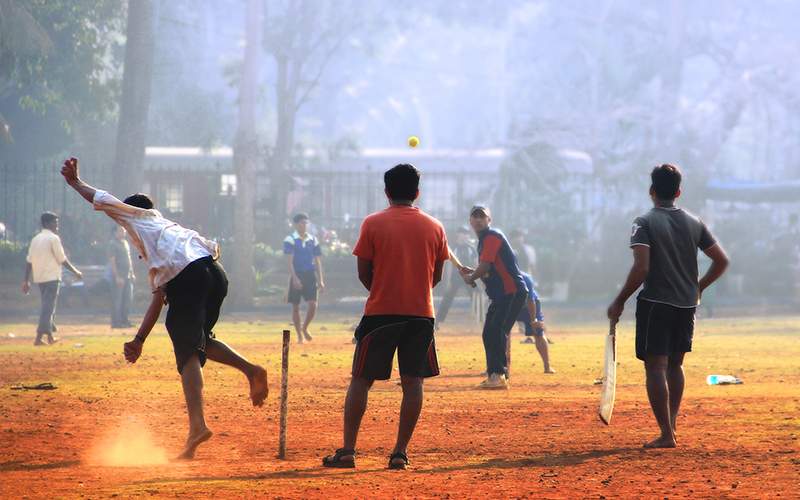
How to Build a Strong Local Cricket Team
A practical guide to recruiting committed players, defining roles, improving performance, and creating a winning team culture
Wed Jul 22 2026
Table of Contents
- Define the Team's Purpose and Recruit the Right Players
- Build a Balanced Squad with Clear Roles
- Create an Effective Practice and Fitness Routine
- Develop Match Strategy, Leadership, and Communication
- Build a Positive Team Culture for Long-Term Success
Define the Team's Purpose and Recruit the Right Players
Every strong cricket team begins with a clear purpose.
Before recruiting players, decide what kind of team you want to build. Some local teams are created primarily for weekend entertainment, while others aim to participate regularly in leagues and tournaments. Both approaches are valid, but problems arise when players have different expectations.
A player looking for a relaxed Sunday game may not enjoy a team that expects three practice sessions every week. Similarly, an ambitious player may become frustrated if others frequently arrive late or cancel matches.
Start by answering a few basic questions:
- Will the team play casually or competitively?
- How often will matches be organized?
- Will regular practice be compulsory?
- What format will the team mainly play?
- How will match fees and equipment expenses be handled?
- How will players be selected for tournaments?
Clear expectations prevent misunderstandings later.
Reference: The Laws of Cricket (MCC)
Recruit for Commitment, Not Just Talent
The most naturally talented player is not always the most valuable member of a local team.
A slightly less skilled player who attends practice, arrives on time, supports teammates, and accepts responsibility may contribute more than a star player who appears only for important matches.
When recruiting, look for people who demonstrate:
- Reliability
- Team spirit
- Willingness to improve
- Respect for teammates
- Availability for matches
- A positive attitude after failure
Skill can be developed through practice. Commitment is much harder to teach.
Build a Squad Larger Than Eleven
A local team should ideally have a squad of around 15 to 18 players.
Players may miss matches because of work, family commitments, injuries, travel, or other responsibilities. A larger squad ensures that the captain does not have to search for replacements before every game.
However, the squad should not become so large that most members rarely receive opportunities. Players who are repeatedly left out may lose interest and leave.
Maintain a core group of regular players and a smaller group of dependable substitutes. Communicate honestly about selection so that everyone understands where they stand.
Find Players Through Multiple Channels
Potential teammates can be found through:
- Friends and neighbors
- Workplace groups
- Apartment communities
- Local grounds and cricket academies
- Schools and colleges
- WhatsApp communities
- Social media groups
- Existing local tournaments
Organize a few practice games before officially finalizing the team. These matches reveal more than a player's batting or bowling ability. They show punctuality, attitude, communication, fielding effort, and willingness to contribute.
Build a Balanced Squad with Clear Roles
A team with eleven good batters may still lose because nobody can bowl at the death. Similarly, a side filled with specialist bowlers may struggle to chase even a modest target.
Strong teams are balanced.
Identify the Core Roles
A well-balanced local cricket squad usually needs:
- Two or three opening batters
- Reliable middle-order batters
- One or two finishers
- A wicketkeeper
- Pace or medium-pace bowlers
- Spin bowlers
- All-rounders
- Strong fielders
- A captain and deputy
In short-format tennis-ball cricket, roles may differ slightly. The team may need power hitters, accurate opening bowlers, slower-ball specialists, and players capable of bowling underarm or overarm according to local rules.
The exact combination should reflect the format, pitch, ball type, and tournament regulations.
Useful guide: Powerplay (cricket) - Wikipedia
Assign Roles Before the Match
Players perform better when they understand what is expected of them.
A batter should know whether the team expects them to attack during the powerplay, stabilize the innings, rotate strike, or finish aggressively. A bowler should understand whether they are responsible for the new ball, middle overs, or the final over.
Role clarity prevents confusion.
For example, an opening batter instructed to play aggressively should not be criticized for being dismissed while attempting an attacking shot. Likewise, a middle-order anchor should not be pressured to attack every delivery if their role is to protect one end.
Develop More Than One Skill
Local teams benefit greatly from multi-skilled players.
Encourage batters to learn basic bowling and bowlers to improve their batting. Every player should work on fielding.
An occasional bowler may become extremely useful when a regular bowler has a bad day. A lower-order player who can score 15 quick runs may change a close match.
Versatility also allows the captain to adjust the playing eleven based on conditions.
Choose the Wicketkeeper Carefully
Wicketkeeping is often underestimated in local cricket.
A good wicketkeeper can:
- Prevent extra runs
- Complete difficult catches
- Create run-out opportunities
- Guide fielders
- Help the captain understand the batter
- Maintain energy behind the stumps
Role explainer: Wicket-keeper - Wikipedia
Do not assign wicketkeeping only to the player who is least interested in bowling. Select someone willing to practice the role seriously.
Select Based on Team Needs
Selection should not be based entirely on friendship or seniority.
The strongest possible eleven may change depending on:
- Pitch conditions
- Ground size
- Opposition strengths
- Match format
- Weather
- Tournament rules
A transparent selection process builds trust. The captain should explain decisions respectfully, especially when regular squad members are not selected.
Create an Effective Practice and Fitness Routine
Playing matches regularly is useful, but matches alone do not fix technical weaknesses.
A productive practice session should have a clear structure.
Begin with a Proper Warm-Up
Players should not immediately begin bowling at full pace or hitting powerful shots.
A warm-up can include:
- Light jogging
- Dynamic stretches
- Shoulder rotations
- Short sprints
- Catching drills
- Gradual bowling run-ups
This prepares the body for activity and reduces the risk of muscle strains.
Fitness reference: Physical activity guidelines (WHO)
Make Net Sessions Purposeful
Many local teams conduct nets without a plan. Batters continue hitting until they are tired, while bowlers deliver without a target.
Instead, divide practice into specific scenarios.
Batters can practice:
- Defending the first few overs
- Rotating strike
- Chasing a required run rate
- Hitting into gaps
- Finishing an innings
- Playing against spin or slower bowling
Bowlers can practice:
- New-ball accuracy
- Yorkers
- Slower deliveries
- Wide-line bowling
- Bowling to a field
- Defending a target in the final over
Scenario-based training makes practice more relevant to real matches.
Give Fielding Equal Importance
Many local games are decided by dropped catches, overthrows, and missed run-outs rather than batting or bowling quality.
Dedicate time to:
- High catches
- Flat catches
- Boundary catches
- Ground-fielding drills
- One-handed pickups
- Direct-hit practice
- Wicketkeeper throws
Fielding is one area where a disciplined team can quickly gain an advantage over more talented but less organized opponents.
Improve Basic Fitness
Local players do not need the fitness routine of international athletes, but a reasonable fitness level is essential.
Simple activities such as walking, jogging, sprinting, bodyweight exercises, and mobility work can improve performance.
Focus on:
- Leg strength
- Core stability
- Shoulder mobility
- Sprint speed
- Endurance
- Recovery
Fitness should be improved gradually. Sudden, intense training can cause injuries, especially among players returning after a long break.
Track Progress
Record basic performance information from matches and practice sessions.
Useful statistics include:
- Runs scored
- Balls faced
- Wickets taken
- Economy rate
- Catches
- Run-outs
- Dot-ball percentage
- Boundary percentage
Metric reference: Economy rate - Wikipedia
Statistics should guide improvement rather than embarrass players. A batter struggling against spin can receive focused practice. A bowler conceding too many boundaries can work on control and variations.
Develop Match Strategy, Leadership, and Communication
Even a talented team can lose without proper planning.
Before each match, the captain should consider the pitch, ground dimensions, opposition, available players, and likely match situations.
Prepare a Simple Match Plan
A local match plan does not need to be complicated.
It should answer questions such as:
- Who will open the batting?
- Who will handle an early collapse?
- Who will finish the innings?
- Which bowlers will take the new ball?
- Who will bowl the final overs?
- Which fielder will protect each important boundary?
- What is the plan against the opposition's strongest batter?
Planning context: BCCI Domestic
Players should know the broad strategy before entering the field.
Select the Right Captain
The best player does not automatically make the best captain.
A good captain should be:
- Calm under pressure
- Fair in selection
- Willing to listen
- Tactically aware
- Encouraging after mistakes
- Capable of making difficult decisions
The captain should also accept responsibility when a strategy fails rather than blaming individual players publicly.
A dependable vice-captain can assist with field placements, player communication, and leadership when the captain is unavailable.
Communicate During the Game
Fielders should constantly communicate about:
- Running between wickets
- Throwing to the correct end
- Boundary coverage
- Changes in batting approach
- Bowling plans
Silence often leads to confusion.
At the same time, communication must remain constructive. Shouting angrily after a dropped catch usually increases pressure and makes another mistake more likely.
Review Every Match
After a game, conduct a short review.
Discuss:
- What worked well
- Where the match changed
- Which plans failed
- What the team should practice next
- Whether roles were clear
Avoid turning the review into a blame session. The objective is to learn.
Even after a comfortable victory, identify areas that could have been handled better.
Build a Positive Team Culture for Long-Term Success
Talent may win an occasional game, but culture determines whether a team survives and improves over several seasons.
Treat Every Player with Respect
Not every player will have the same ability.
Some may be experienced tournament players, while others may be playing organized cricket for the first time. Strong teams help weaker members improve instead of mocking them.
Respect should extend to:
- Teammates
- Opponents
- Umpires
- Organizers
- Ground staff
A team that earns a good reputation will receive more invitations to matches and tournaments.
Manage Finances Transparently
Local cricket involves expenses such as:
- Ground booking
- Match balls
- Tournament registration
- Jerseys
- Equipment
- Travel
- Refreshments
Keep a clear record of collections and expenses. Share the details with the team regularly.
Financial confusion can damage relationships quickly, even when the amounts involved are small.
Celebrate Contributions Beyond Runs and Wickets
Cricket statistics do not capture every valuable contribution.
Recognize players who:
- Save runs in the field
- Attend every practice
- Arrange grounds
- Manage equipment
- Encourage younger players
- Help organize transportation
- Support the team despite not playing
This creates a sense of shared ownership.
Handle Conflict Early
Disagreements are inevitable.
Common issues include batting order, bowling opportunities, selection, captaincy, attendance, and match fees.
Address problems privately and calmly before they divide the group. Listen to both sides and focus on what is best for the team.
Public arguments in a WhatsApp group rarely solve anything.
Team culture resource: ICC official website
Build Traditions
Team traditions create identity.
These may include:
- A team jersey
- A pre-match huddle
- Player-of-the-match recognition
- Annual awards
- Team photographs
- Post-match meals
- Celebrating personal milestones
These small practices turn a collection of players into a community.
Conclusion
Building a strong local cricket team requires far more than selecting the most talented eleven players available.
The foundation is a group of committed people who understand the team's purpose and respect one another. From there, the team needs balanced roles, structured practice, clear leadership, transparent selection, sensible match planning, and honest communication.
Progress may be slow at first. New teams often struggle with inconsistent attendance, fielding mistakes, batting collapses, and unclear roles. These problems should not be viewed as failure. They are part of the process of becoming an organized side.
The strongest local teams are not always those with the biggest hitters or fastest bowlers. They are usually the teams that arrive prepared, support one another, understand their responsibilities, and learn from every match.
Build the culture first, develop the skills consistently, and results will eventually follow.
FAQ
1. How many players should a local cricket squad have?
A squad of approximately 15 to 18 players provides enough cover for absences while still allowing most members to receive regular opportunities.
2. How often should a local cricket team practice?
One structured team session per week can be effective for recreational teams. Competitive sides may benefit from two or more sessions, depending on player availability.
3. How should a captain select the playing eleven?
Selection should consider player form, availability, match conditions, opposition strengths, team balance, and the specific roles required for the game.
4. What is the most important quality when recruiting players?
Commitment is often more valuable than raw talent. Reliable players who attend practice and support the team provide a stronger foundation.
5. How can a local cricket team improve quickly?
Focus on role clarity, catching, ground fielding, running between wickets, bowling accuracy, and match-specific practice. Improving these basics can produce faster results than attempting advanced techniques.